 0866 022 097
 institute@mescells.com
What Is a Cell Line? Types, Characteristics and Applications in Biomedical Research


In modern biological and medical research, the cell line is an important tool that helps scientists understand how cells work, study disease, develop drugs and evaluate the effectiveness of many new treatments. Compared with using tissue or living organisms directly, cell lines offer consistency, high reproducibility and convenience in experiments.
So what is a cell line, how is it created, what types are there and how are they used in research? Join Mescells to find out in the article below.
1. What is a cell line?
A cell line is a population of cells derived from a single original cell or from a tissue sample, cultured under laboratory conditions so that they grow and divide continuously. Cells within the same line usually have relatively similar genetic and biological characteristics, which helps produce consistent and reproducible research results.
Today, cell lines are widely used in biological research, medicine, biotechnology and drug development. Because they can be cultured in a controlled environment, scientists can study how cells work without working directly on living organisms.

Cell lines are maintained and expanded under in vitro culture conditions
2. How is a cell line created?
To create a cell line, researchers take cells from the tissue or organ of a human or animal and culture them in a nutrient-rich medium at a suitable temperature, pH and gas concentration.
Creating a cell line usually involves the following steps:
- Obtaining the initial cells: Cells are taken from the tissue or organ of a human or animal, or from another suitable biological source. The sample is then processed to isolate the cells to be studied.
- Cell culture: The cells are placed in culture medium containing the necessary nutrients and kept under suitable conditions of temperature, pH and gases. Depending on the type, cells adhere to the culture surface or grow in liquid culture medium.
- Cell proliferation and passaging: As the number of cells increases, they are detached and transferred to fresh medium or a new culture vessel. This process is repeated to maintain and expand the cell population.
- Selecting and maintaining the cell line: If the cells have the desired characteristics, they can be selected and cultured further to form a relatively stable cell line. Some lines may be immortalized or genetically modified to maintain the ability to divide over a long period.
- Testing and storage: The cell line needs to be tested for morphology, proliferative capacity, genetic characteristics and microbial contamination. Once it meets requirements, the cells can be frozen and stored for use in further research.

The process of creating a stable cell line: from selecting the parental cell line to single-cell cloning and cell banking
3. What types of cell lines are there?
Cell lines can be classified by origin, proliferative capacity and biological properties.
| Cell type | Characteristics | Advantages | Limitations | Common applications |
| Primary cell culture – the precursor stage of a cell line | Isolated directly from tissue or organs; retain many characteristics of cells in the body | Reflect natural biological properties relatively well | Limited proliferative capacity; difficult to maintain long term | Studies of cell function, physiology and drug response |
| Finite cell line | Able to divide a certain number of times before proliferation declines or the cells senesce | Retain many properties of the original cells | Cannot proliferate indefinitely | Studies of cell biology, aging and pathology |
| Immortalized/continuous cell line | Able to proliferate over a long period thanks to genetic changes or immortalization | Easy to maintain, yield large numbers of cells, convenient for repeat studies | May develop genetic changes and differ from the original cells | Research on cancer and viruses, drug development and protein production |
Classification of cell lines and their applications in research
4. Characteristics of cell lines
Cell lines have their own characteristics depending on their origin and culture history. In general, these characteristics determine how well a cell line can be maintained and expanded and how suitable it is for a given research purpose.
- Proliferative capacity: Cell lines can divide and increase in number under suitable culture conditions. The degree of proliferation varies between lines: some grow only for a limited time, while immortalized cell lines can continue to proliferate over a long period.
- Morphology: Each cell line usually has a characteristic morphology, such as epithelial, spindle-shaped, round or suspension cells. Observing morphology under the microscope is one of the basic ways to monitor the condition and growth of cells.
- Relatively stable biological properties: Cells within the same line usually share relatively similar biological characteristics, such as the ability to express proteins, respond to signals or perform a particular function. However, these properties may change after prolonged culture.
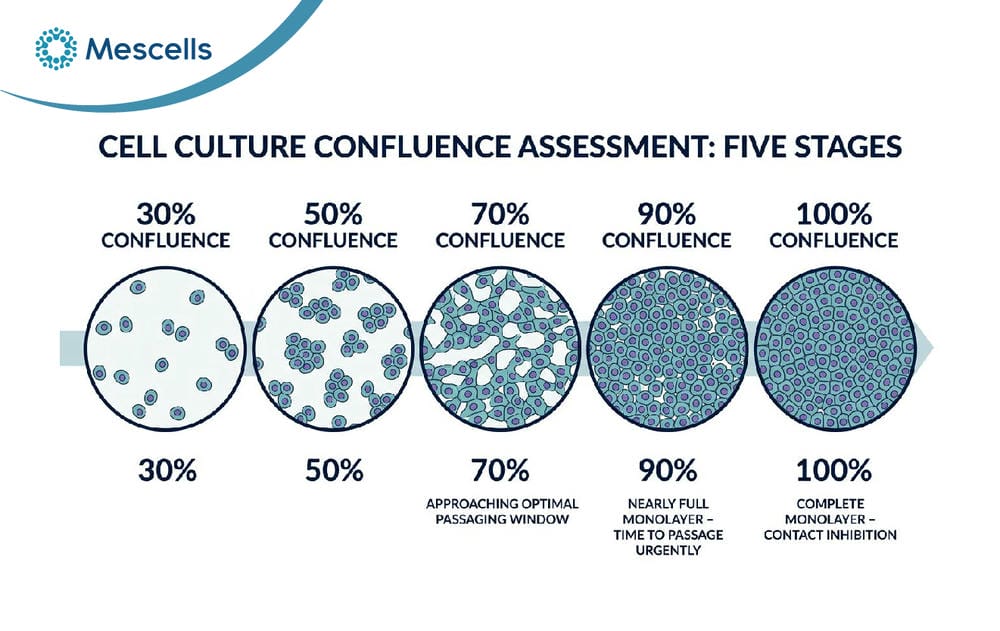
Assessing cell confluency during cell line culture
- Adaptability to the culture environment: Cell lines need a suitable culture environment to survive and proliferate. Factors such as medium composition, temperature, pH, gases and cell density can all affect the growth of the cell line.
- Can be stored and used long term: Cell lines can be frozen and stored under suitable conditions. When needed, the cells are thawed and cultured again. This is an important advantage that provides a uniform source of cells for many different studies.
- Genetic changes may occur: During culture, especially when maintained over many passages, some cell lines may develop changes in chromosomes or genetic characteristics. Cell line authentication and quality control are therefore necessary to ensure reliable research results.
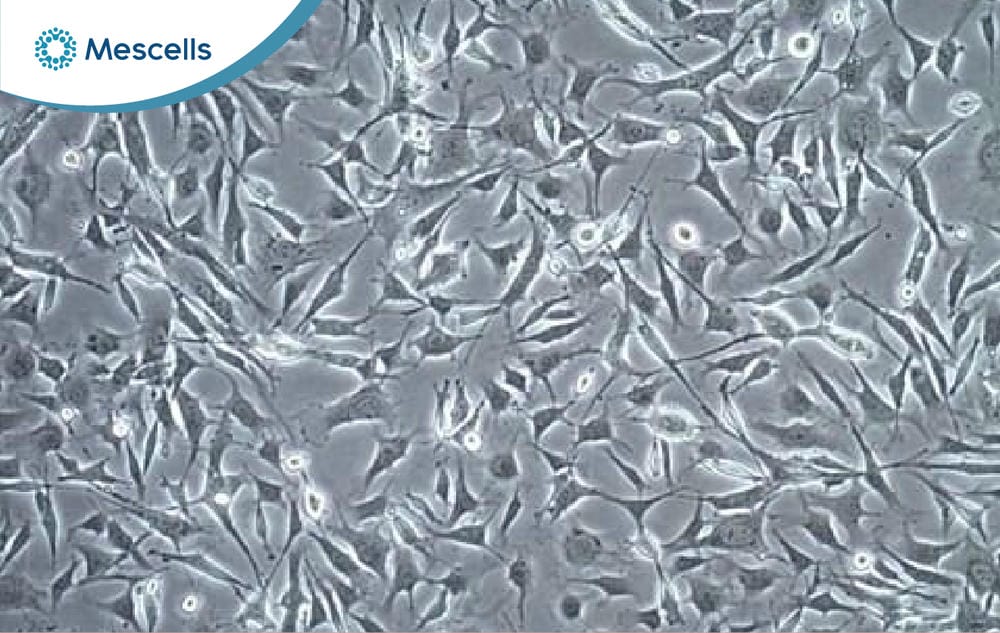
A cultured cell line viewed under the microscope
5. Applications of cell lines in research
Cell lines are an important tool in biological and medical research because they allow scientists to culture, monitor and control cells under laboratory conditions. As a result, many biological and disease processes can be studied before more complex research is undertaken.
- Studying disease mechanisms: Cell lines are used to understand the changes that occur in cells in disease, especially cancer, infectious diseases and cell-related disorders. Researchers can follow changes in cell morphology, proliferation, and gene and protein expression.
- Drug research and development: Cell lines are a commonly used model for screening candidate compounds. They make it possible to assess a drug’s effect on cells, its ability to inhibit the growth of diseased cells and signs of toxicity before the next stages of research.
- Vaccine and virus research: Some cell lines are used to study viral entry and replication, the interaction between viruses and host cells, and the cell’s response to pathogens. They are also a tool supporting the research and development of vaccines and antiviral drugs.
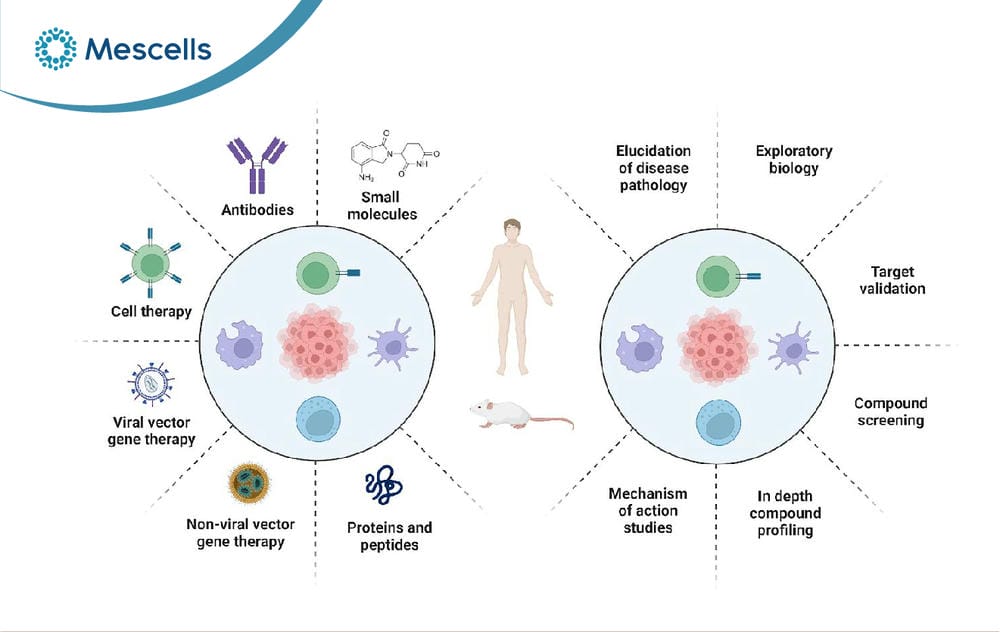
Applications of cell lines in medical research and development
- Molecular biology and genetics research: Cell lines help in studying the function of genes, proteins and signaling pathways in the cell. Scientists can use cell lines to examine gene expression, edit genes and understand the mechanisms that regulate cell activity.
- Cancer research: Cancer cell lines are widely used to study the proliferation, invasion, migration and drug response of cancer cells. This is an important basis for understanding how cancer develops and for screening potential treatments.
- Production of proteins and biologics: Some cell lines can produce recombinant proteins, monoclonal antibodies and other biological products. Cell lines therefore serve not only research but also play an important role in biotechnology and the development of products used in medicine.
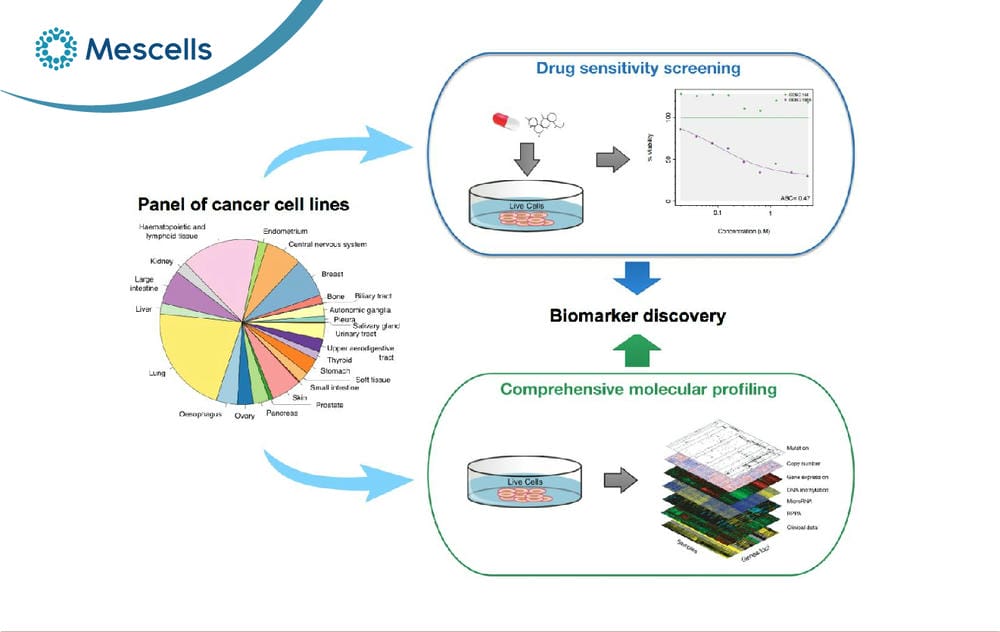
Applications of cell lines in cancer research and drug screening
Cell lines are a useful tool in biological and medical research. Culturing cell lines makes it easier for scientists to understand how cells work, study disease and support the development of drugs and vaccines. In the future, with the help of modern technologies, they will remain an effective means of helping scientists unravel disease mechanisms and address many health problems.
MESCELLS | MSC – SPECIALIZED HEALTHCARE SYSTEM FOR REGENERATIVE MEDICINE AND CELL THERAPY
- Hotline: 0866 022 097
- Address: TT21, No. 204 Nguyen Tuan, Thanh Xuan Ward, Hanoi, Vietnam.
- Fanpage: Mescells Institute of Applied Cell Technology Research
REFERENCES:
- Geraghty RJ, Capes-Davis A, Davis JM, et al. Guidelines for the use of cell lines in biomedical research. British Journal of Cancer. 2014;111(6):1021-1046. https://pubmed.ncbi.nlm.nih.gov/25117809/
- Capes-Davis A, Bairoch A, Barrett T, et al. Cell lines as biological models: Practical steps for more reliable research. Chemical Research in Toxicology. 2019;32(9):1733-1736. https://pubmed.ncbi.nlm.nih.gov/31203605/
- Almeida JL, Cole KD, Plant AL. Standards for Cell Line Authentication and Beyond. PLoS Biology. 2016;14(6):e1002476. https://pubmed.ncbi.nlm.nih.gov/27300367/
- Wilding JL, Bodmer WF. Cancer cell lines for drug discovery and development. Cancer Research. 2014;74(9):2377-2384. https://pubmed.ncbi.nlm.nih.gov/24717177/
Note: The content of this article is compiled from and refers to scientific reports and reputable medical journals around the world. However, this information is for reference only and is not a substitute for diagnosis or specialist medical treatment by a doctor.

Deputy Director, Mescells Institute of Applied Cell Technology Research






 Hotline
 Zalo
Zalo
 Fanpage